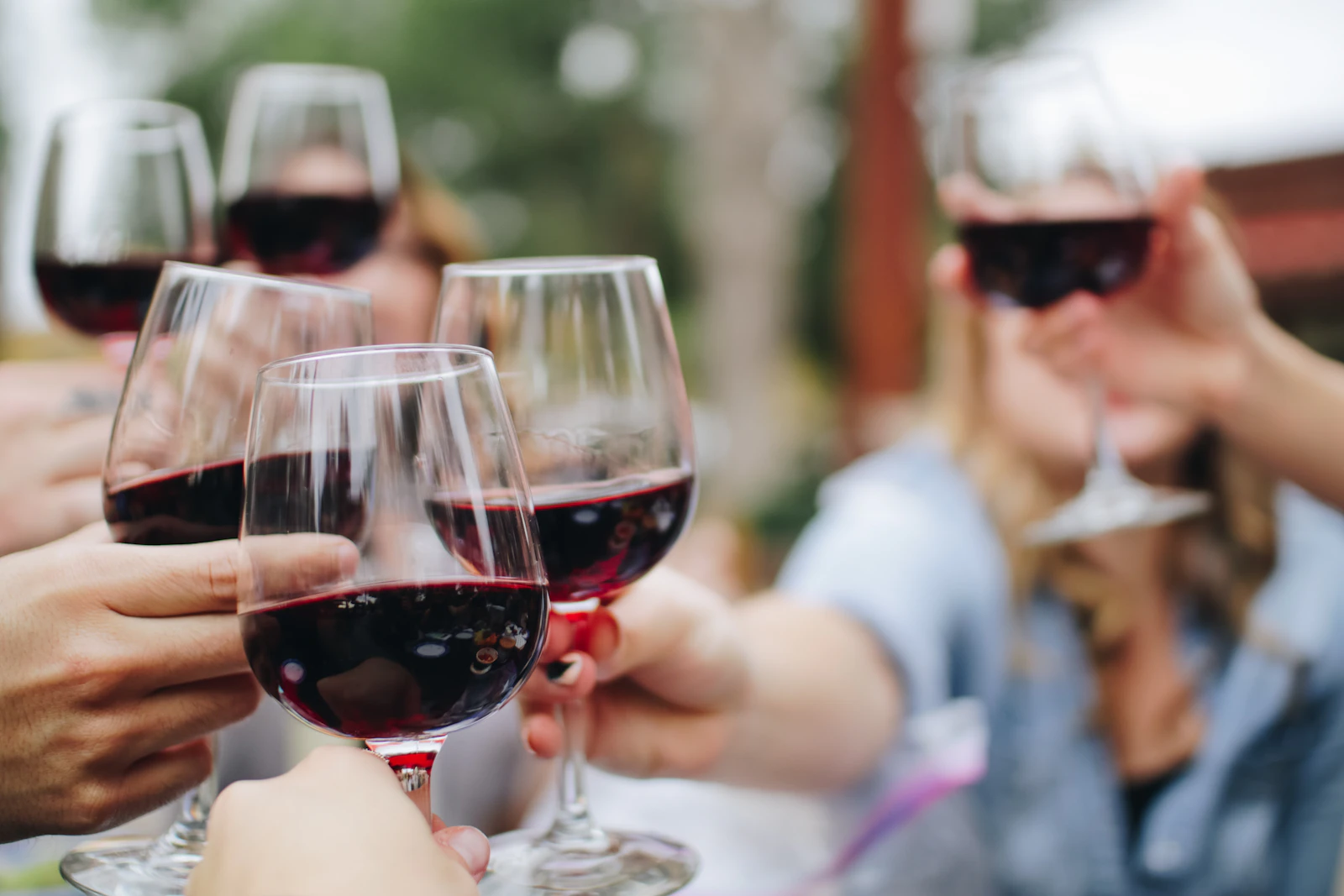

Pairing cannabis with food is often mistaken for a private indulgence, something improvised between courses and remembered only in fragments. That view misses the discipline of the table. A serious meal is built on sequence, restraint, and timing. So is a thoughtful cannabis pairing. The question is not whether the flower appears beside the plate, but whether it enters the service with the same composure as the wine, the bread, the butter, the final flourish of salt. When it is handled well, cannabis clarifies flavor. It sharpens the outline of acid, deepens fat, and gives herbs a longer shadow. When it is handled carelessly, it flattens the room and blurs the menu.
The Table Is the First Frame
Hospitality begins before the first bite. It begins in the glassware, the temperature of the room, the order in which things are set down. Cannabis belongs to that same choreography. A guest does not need to be announced into a trance. They need to be seated into rhythm. The first course, like the first sip, should make the palate attentive rather than crowded. That is why a microdose of 1.5–2.5mg can feel so elegant in service. It plays the role of an amuse-bouche. It opens the door, then steps aside. Five milligrams reads as a proper first course, composed and complete. Ten milligrams is the upper edge of a single serving, best reserved for a menu with real weight and enough structure to carry it.
The point is not dosage as spectacle. It is dosage as pacing. In a kitchen, no chef would send out the most intense dish first. The same principle applies here. A guest should be able to move through the meal with increasing attention, not increasing confusion. Flower with bright limonene, for instance, behaves like citrus zest in a dressing. It gives lift. It has the clarity of a well-cut crudo with olive oil, fennel, and a few flakes of salt. Pinene, by contrast, reads like a sprig of rosemary crushed between the fingers. It favors green notes, herbs, and a little bitterness. In a tasting menu, that can mean bitter greens at the start, or a parsley-forward sauce with shellfish. The pairing is not decorative. It is structural.
Temperature matters as much as terpene. A chilled oyster and a hot fritter do not speak the same language, and cannabis should not be asked to ignore that fact. Cool dishes preserve precision. Warm dishes invite breadth. Heat softens edges. Fat rounds them. Acid redraws them. A bright strain such as Mimosa can feel crystalline beside citrus salad or a plate of raw scallop with grapefruit and olive oil. A more saturated flower, one that leans toward myrcene and caryophyllene, sits naturally with roast chicken, braise, or something finished with black pepper and browned butter. The service question is always the same. What should arrive first, and what should remain in reserve.
Mouthfeel Is the Quiet Authority
Restaurants speak of flavor, but they live or die by mouthfeel. The tongue does not merely taste. It measures weight, viscosity, and finish. Cannabis pairing rewards the same attention. A creamy spoonful of risotto al limone behaves very differently from a shard of fried artichoke or a forkful of raw radish. The risotto invites continuity. The radish interrupts. A strain rich in terpinolene, with its fruity and lightly resinous profile, can make a delicate dish feel more airborne. A flower with caryophyllene, peppery and tactile, can give a richer preparation a more defined center of gravity.
This is where hospitality becomes more than aesthetics. It becomes choreography of sensation. A chef might think in terms of garnish, but a maître d’ thinks in terms of flow. The first bite should not exhaust the palate. It should awaken it. The second should deepen the conversation. If the kitchen has provided a grilled fish with preserved lemon, a pour or a microdose that carries valencene or limonene can extend the citrus across the course without turning the plate sharp. If dessert is a panna cotta with orange blossom, a strain leaning toward linalool, geraniol, or terpineol can echo the floral line without crowding it. The pairing works because each element has room to finish its sentence.
The opposite is also true. Too much intensity, too early, and the tongue tires before dessert. Palate fatigue is not a failure of appetite. It is a failure of pacing. A kitchen that sends rich, sweet, and spicy plates in rapid succession eventually teaches the guest to stop listening. Cannabis can do the same if the menu is designed as a sprint. A disciplined pairing leaves intervals. It lets water, bread, and plainness do their work. It makes room for the next note to land.
Palate Fatigue Is Real
Every sommelier knows that a menu can be fatigued by repetition even when the dishes are excellent. Too much richness. Too much sweetness. Too many warm spices. Cannabis pairing is no different. A flower with humulene and myrcene may pair beautifully with roast vegetables, mushrooms, or a lamb course, but if everything on the table is similarly dark and round, the palate loses perspective. Contrast is not a trick. It is the basis of interest.
Imagine a meal that begins with white asparagus with beurre blanc, moves to bucatini with chile and lemon, then ends with pistachio gelato. No single course needs to dominate the others. Instead, each should prepare the tongue for a change in register. A bright, terpinolene-leaning flower can sit at the front of the meal, where herbs and citrus are most visible. Midway through, caryophyllene can take over, especially if the kitchen has introduced pepper, char, or a sauce built on rendered fat. At dessert, linalool, bisabolol, or geraniol can lend a floral precision to cream, almond, stone fruit, or honey. The result is not intoxication as an event. It is coherence.
Restaurants understand this instinctively. They know when to turn the lights down, when to refill the water, when to clear the crumbs, when to bring the cheese before the sweet course has exhausted the tongue. Cannabis deserves the same hospitality. It should be presented with the same sense of sequence and the same respect for the guest’s capacity to perceive. A good pairing should not feel like a detour from dinner. It should feel like dinner finding one of its hidden dimensions.
Service Means Reading the Room
The best pairing is never only about the flower or the food. It is about the table, the diners, and the rhythm they are willing to inhabit. Some meals ask for brightness and speed. Others ask for a slow burn through braised meat, dark greens, and a final plate of cheese. Some guests want a true microdose and the clarity it can bring to a course of crudo and herbs. Others are better served by a standard 5mg serving folded into dessert, where the sweetness and fat can support the experience. The competent host does not impose a single structure on every table. They read appetite, pace, and conversation.
That is why cannabis pairing should be spoken of in the language of service rather than novelty. Hospitality is an art of sequence. The host considers how the first impression will lead to the last. So should the person pairing flower with food. One should think about the opening note of a strain, the middle weight of a sauce, the finish of bitterness or sugar, the way a sip of mineral water resets the tongue. One should think about whether the meal wants lift, grounding, or a little floral distance. Limonene can sharpen a citrus course. Pinene can illuminate herbs. Caryophyllene can give structure to char and spice. Linalool can soften the edge of cream. Myrcene can let braise and mushroom feel more enveloping. These are not gimmicks. They are coordinates.
The most graceful cannabis service, like the most graceful dining room, never asks the guest to work too hard. It offers clarity. It leaves room for silence between courses. It respects temperature, texture, and the fact that pleasure diminishes when overmanaged. In that sense, pairing cannabis with food is not a trick at all. It is a form of tablecraft. It belongs to the same lineage as a well-timed bread service, a properly chilled bottle, a sauce that arrives lucid rather than heavy. The aim is not to show that cannabis can be placed near a plate. The aim is to show that it can belong in the architecture of the meal.
That is the discipline. Not novelty. Not excess. A table should unfold with enough restraint that every course retains its contour. Cannabis, handled with that level of care, becomes part of the hospitality rather than a disruption of it. It helps the meal keep time.