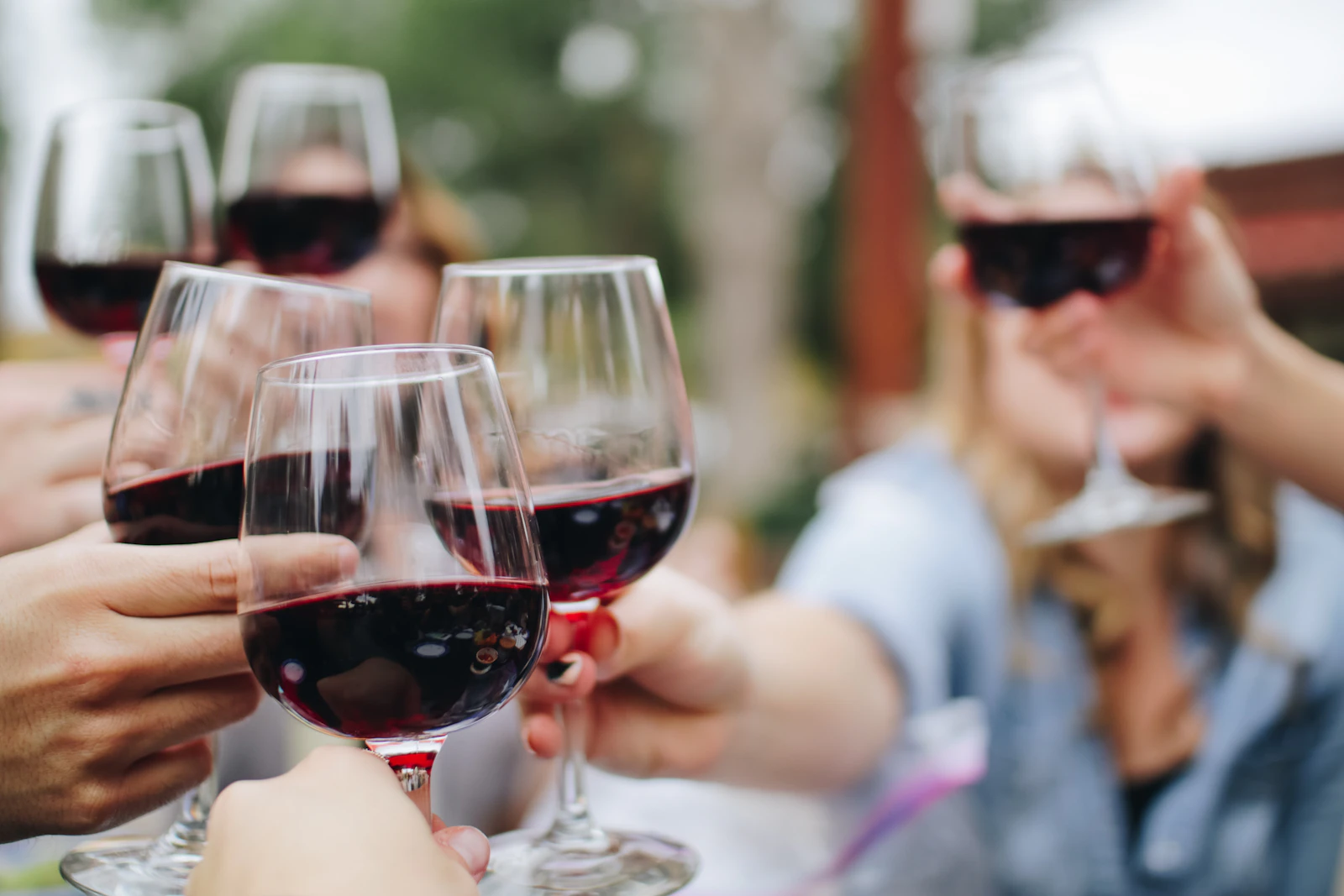

The Color of Late Evening
Granddaddy Purple arrives with the confidence of a dish already plated in the mind. The flower is usually dense, dusky, and often frosted with trichomes that catch the light like a sugared crust. Its reputation rests on more than appearance, of course, but color is part of the argument. The purple tones, when present, do not simply flatter the plant. They announce a certain temper. This is not a strain that rushes to the front of the room. It settles in. It has weight, even before the first note of aroma rises from the jar.
In the language of cannabis, Granddaddy Purple is usually described as indica-leaning, and that shorthand is useful if one remembers it as a sketch rather than a law. The profile is broad, plush, and evening-minded. Myrcene leads the aromatic conversation, bringing the familiar sense of ripe fruit, damp earth, and a kind of rounded herbal depth. Around it, the palate may register floral edges, berry skin, and a whisper of spice. The effect is not the point here so much as the architecture: this is a strain built on volume, softness, and finish.
Lineage and the Making of a Classic
The story most often told traces Granddaddy Purple to Purple Urkle and Big Bud, a pairing that reads like a lesson in complementary instincts. Purple Urkle contributes the dark fruit register and chromatic glamour. Big Bud lends a fuller frame, the sort of structure that keeps an aroma from becoming merely decorative. The precise genealogy of older cannabis cultivars can blur around the edges, as oral histories do. Breeders pass down selections. Growers refine them. Names acquire myth as quickly as they acquire fans. Yet the broad outline is clear enough for culinary thinking. Granddaddy Purple is a hybrid of lineage and intention, a strain selected not only for potency but for presence.
Its rise in California helped define the visual grammar of purple cannabis in the early 2000s. At a time when consumers were learning to read flower as they might read wine, its deep color, compact bud structure, and unmistakable aroma created a kind of shorthand. If a Bordeaux is judged by body, tannin, and length, Granddaddy Purple is judged by density, perfume, and the way its flavor lingers after the initial sweetness fades.
That lingering quality matters. Many purple strains promise fruit and deliver candy. Granddaddy Purple tends to do something more grown-up. The first impression may suggest grape, but the finish often turns toward plum skin, forest floor, and a muted herbal calm. It is not a fruit basket. It is a cellar.
Why the Grape Note Feels So Familiar
The grape association is one of the great seductions of Granddaddy Purple. People say grape, and they are not wrong, though the word is doing a great deal of work. It is less about the literal flavor of a vineyard grape than the memory of purple fruit in concentrated form: Concord juice, jam set on a spoon, blackberry syrup, blueberry skin warmed by sun. The nose interprets these notes quickly because it has been trained by confectionery, soda, and dessert wine to recognize them as ripe and rounded.
Myrcene is central to that impression. As a terpene, it often reads as mango, clove, musk, or soft herbal earth, but in combination with other aromatic compounds it can help produce a fruit-forward, almost plush profile. In Granddaddy Purple, that plushness is the point. The strain does not present acidity in the bright, bracing way of citrus-led flower. It does not sparkle. It cushions. The fruit note feels cooked, not raw; reduced, not fresh-picked. That distinction is crucial.
The grape note also gains credibility from the visual field. Purple cannabis primes the palate before the first inhale. We are visual eaters as much as olfactory ones, and deep violet hues condition us to expect dark fruit, wine, maybe even a dessert course. The brain begins building flavor before the flower has spoken. Granddaddy Purple understands this and leans into it. The result is one of the most recognizable sensory signatures in modern cannabis: a bouquet that feels half orchard, half dusk.
What makes the profile endure is its restraint. Even at its most aromatic, Granddaddy Purple is rarely sharp. It has no interest in citrus fireworks or menthol lift. It prefers saturation. In that sense, it resembles a slow-cooked sauce more than a vinaigrette. The fruit is there, but so is the shadow beneath it.
Myrcene, Weight, and the Slow Finish
For all the attention paid to color and grape, myrcene remains the strain’s quiet engine. If limonene is the lifted peel of a lemon and pinene the clean resin of a forest path, myrcene is the darker pantry note: ripe mango, clove, basil crushed between fingers, the suggestion of earth after rain. It gives Granddaddy Purple its low, steady center. The aroma feels less like a flash and more like a blanket folded with care.
That is why the strain is so often associated with the close of the day. Not because it performs some universal trick, but because its sensory language favors dimmer light. A myrcene-led flower asks the table to slow down. It rewards attention. It does not race beside a salad or a morning pastry. It wants time, heat, and a little silence between bites.
In the kitchen, this is where the pairing logic becomes elegant. Rich braises offer exactly what Granddaddy Purple understands: concentration without fragility. A braise builds flavor through collapse and reduction. Fat, collagen, aromatics, wine, stock, and patience become a unified whole. Granddaddy Purple meets that structure with natural sympathy. Its fruit note echoes red wine reductions. Its earthy undertow mirrors browned onions, mushrooms, and the caramel of long cooking. Its rounded finish keeps pace with gelatin and marrow.
Picture short ribs braised in red wine, where thyme and bay leaf have moved beyond perfume into flesh. Or coq au vin, where shallots, bacon, and mushrooms create a savory depth that does not need brightness to survive. Even lamb shanks with rosemary and plum find a companion in the strain’s darker fruit register. The pairing works not because the flower tastes like the dish, but because both speak the same grammar: patience, saturation, and a finish that stays on the tongue.
Breakfast is a different matter. Morning food usually asks for lift, clarity, and contrast. Eggs want acidity. Toast wants butter and salt. Citrus wants a clean frame. Coffee already brings bitterness and roast. Place Granddaddy Purple there and the table tilts toward heaviness before the day has properly begun. The grape note can feel too upholstered beside a delicate omelet. The myrcene-led body can make a bright bowl of fruit seem thin by comparison. Breakfast needs a terrace. Granddaddy Purple prefers the dining room after dark.
That does not make it narrow. It makes it specific, and specificity is a virtue. Some strains are versatile in the way a white T-shirt is versatile. Granddaddy Purple is more like a velvet jacket. It belongs with dishes that have substance, shimmer, and a little ceremony. Serve it with braises, with roast duck, with a mushroom tart set over a smear of parsnip purée. Let it meet a cheese course of aged gouda or a wedge of blue. Keep the table warm. Keep the sauces glossy. Let the flower do what it was clearly designed to do: deepen the room.
A Classic Meant for Dusk
The reason Granddaddy Purple endures is not that it shouts. It is that it composes. The strain gives you color, aroma, and a myrcene-led finish that feels coherent from first look to final impression. The grape note has made it famous, but fame alone does not explain its staying power. What does that is balance. Fruit without frivolity. Richness without excess. A sense that the evening has entered its most articulate hour.
If you are looking for a flower to accompany a weekday egg sandwich, this is not the one. If you are looking for a strain to sit beside a pot of braised beef with red wine and bay, Granddaddy Purple makes perfect sense. Some pairings are about contrast. This one is about resonance. The plate and the flower both understand that the best flavors are often the ones that arrive slowly, then remain.