
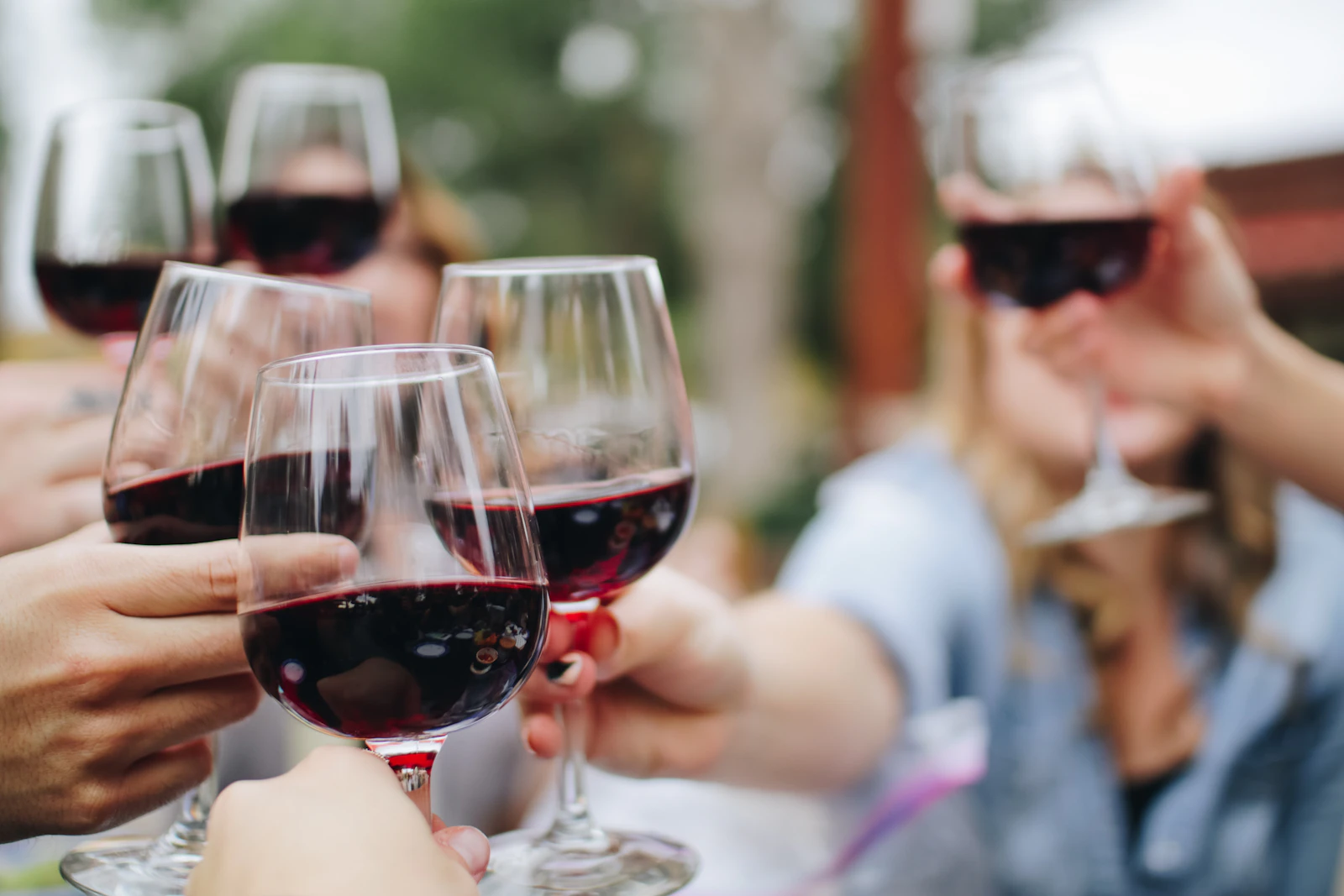
The bottle in your hand says 2019, Sangiovese, Chianti Classico, organic, 13.5%. Each of those is a clue. Vintage tells you the weather that year. Grape tells you the bones. Region tells you the soil. Organic tells you something about the farmer’s temperament. Alcohol tells you the structure.
A strain label can be read the same way. Here is how.
1. Type — the bones
Indica, sativa, hybrid. These are imperfect categories — the genetics rarely run pure — but they still tell you something about leaf shape, flowering time, and very loosely about effect. Treat type the way you treat red vs. white: a starting orientation, not a verdict.
2. Dominant terpene — the grape
This is the one that matters. The dominant terpene tells you what the flower smells and tastes like, and by extension what it will sit beside on a plate.
- Limonene — citrus peel, lift, brightness. Think of it as Sauvignon Blanc.
- Myrcene — ripe mango, clove, deep sleep. Pinot Noir at the end of a long meal.
- Pinene — fresh pine, rosemary, alertness. Vermentino with a sea breeze.
- Caryophyllene — black pepper, woodsmoke, warmth. Syrah from the northern Rhône.
- Linalool — lavender, brioche, hush. A late-harvest Riesling.
3. Secondary terpenes — the blend
Few strains lead with one terpene alone. The supporting cast — caryophyllene under a citrus lead, pinene tucked behind myrcene — is what gives a flower its structure. It’s the difference between a single-varietal Cab and a Bordeaux blend.
4. THC and CBD — the alcohol
Think of THC as proof. Twelve percent is a session beer; twenty-five percent is a bourbon. CBD is the counterweight, the ice cube. A flower with 18% THC and 4% CBD will feel completely different from one with 22% THC and 0% CBD, even if they share a terpene profile.
5. Effects — the producer’s notes
Calming, focused, euphoric, sleepy. These are subjective and crowd-sourced; treat them like a winemaker’s tasting notes on the back label — a guide, not a contract.
6. Cultivation — the farmer
Indoor, outdoor, light-dep, organic, hydro. We don’t always get this on the label, but when we do it tells us something about how clean the smoke will be and how truthfully the terpene profile expresses itself. A flower grown outdoors in a real summer almost always tastes more like a place.
With those six readings in hand you can walk into any well-curated dispensary, glance at a jar, and say to yourself: citrus-led hybrid, mid-proof, peppery secondary — this wants a plate of roast chicken with lemon and black pepper. You’ll be right more often than not.

