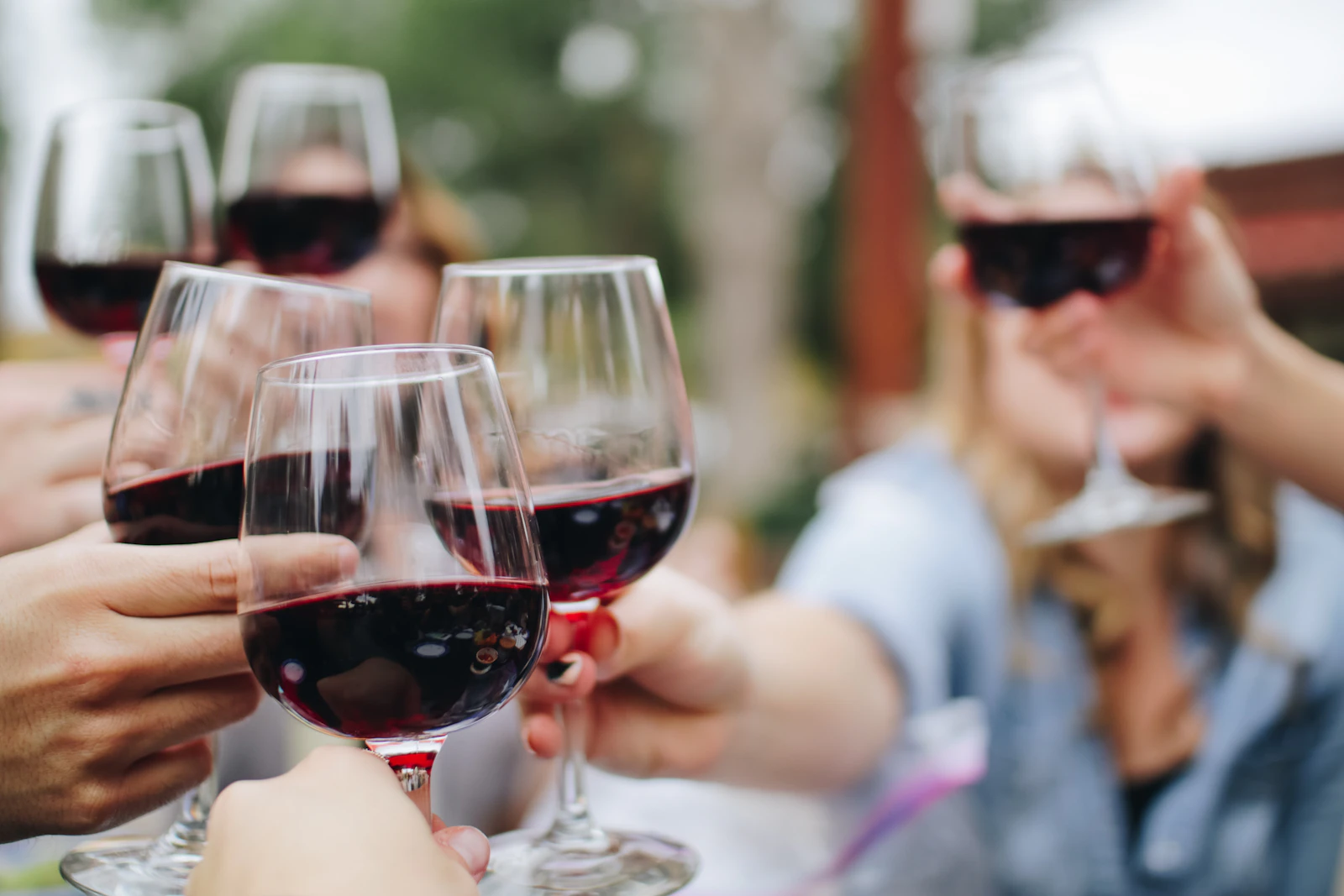

Walk into any dispensary and the first thing you will be asked is: sativa, indica, or hybrid? It is the cannabis equivalent of being asked, at a wine bar, red, white, or rosé? It tells the staff almost nothing. It tells you slightly less.
The original distinction was botanical. Cannabis sativa was the tall, narrow-leafed plant from equatorial regions. Cannabis indica was the squat, broad-leafed plant from the Hindu Kush. The split made sense in 1785, when Lamarck named them. It made progressively less sense after about 1985, when American breeders started crossing every variety with every other variety to produce, by now, an essentially unbroken hybrid spectrum.
Most flowers on the market today are 80% one and 20% the other and called indica-dominant hybrid or sativa-dominant hybrid. The label is printed; the chemistry beneath it is hardly correlated.
What the labels still claim to mean
- Sativa: Up, energetic, daytime, focus.
- Indica: Down, relaxing, nighttime, sleep.
- Hybrid: Whatever you want it to mean.
What actually predicts effect
Terpenes. The five we keep coming back to: limonene, myrcene, pinene, caryophyllene, linalool, plus a long tail. Effect is the result of how those compounds combine with the cannabinoid spectrum (THC, CBD, CBG, CBN) and your individual chemistry.
A sativa with high myrcene will put you to bed. An indica with high limonene and pinene will keep you up writing. The two-letter category on the jar lied; the terpene panel didn’t.
What to ask instead
Next time a budtender asks sativa or indica?, answer with one of these:
- What’s the dominant terpene?
- Looking for limonene or pinene-led, mid-proof, daytime.
- Looking for myrcene or linalool-led, anything calming, evening.
You will get a much better recommendation. The budtender will respect you. The flower will deliver on what it actually contains, instead of what its great-great-grandparents looked like in the Hindu Kush.
The taxonomy isn’t evil; it’s just outdated. We forgive Lamarck. We update the menu.